Author: poetryfest
Submit your Poetry to the Festival. Three Options:
1) To post.
2) To have performed by an actor
3) To be made into a film.
Turning 45 Today: Sarah Shahi. Happy Birthday
Turning 41 Today: Annabel Scholey. Happy Birthday
Read Poem: UNFINISHED EXIT, by Claudia Wysocky
I keep thinking
about the time in high school
when you drew
me
a map of the city,
I still have it somewhere.
It was so easy
to get lost
in a place where all the trees
look the same.
And now
every time I see
a missing person’s poster
stapled to a pole,
all I can think is
that could have been me.
Missing,
disappeared.
But there are no
posters for people
who just never came back
from vacation, from college,
from life.
You haven’t killed yourself
because you’d have to commit to a
single exit.
What you wouldn’t give to be your cousin Catherine,
who you watched
twice in one weekend get strangled nude
in a bathtub onstage
by the actor who once
filled your mouth with quarters at
your mother’s funeral.
The curtains closed and opened again.
We applauded until
our hands were sore.
But you couldn’t shake the image of
her lifeless body,
the way she hung there like a
marionette with cut strings.
And now every time you try to write a poem,
it feels like a
eulogy.
So even though you haven’t
found the perfect ending yet,
you keep writing.
For Catherine, for yourself, for all the lost
souls
who never got their own
missing person’s poster.
Because as long as there are words on a page,
there is still hope for an unfinished exit
to find its proper
ending.
WAR Poem: Unbroken Voices, by Rehan Meftah
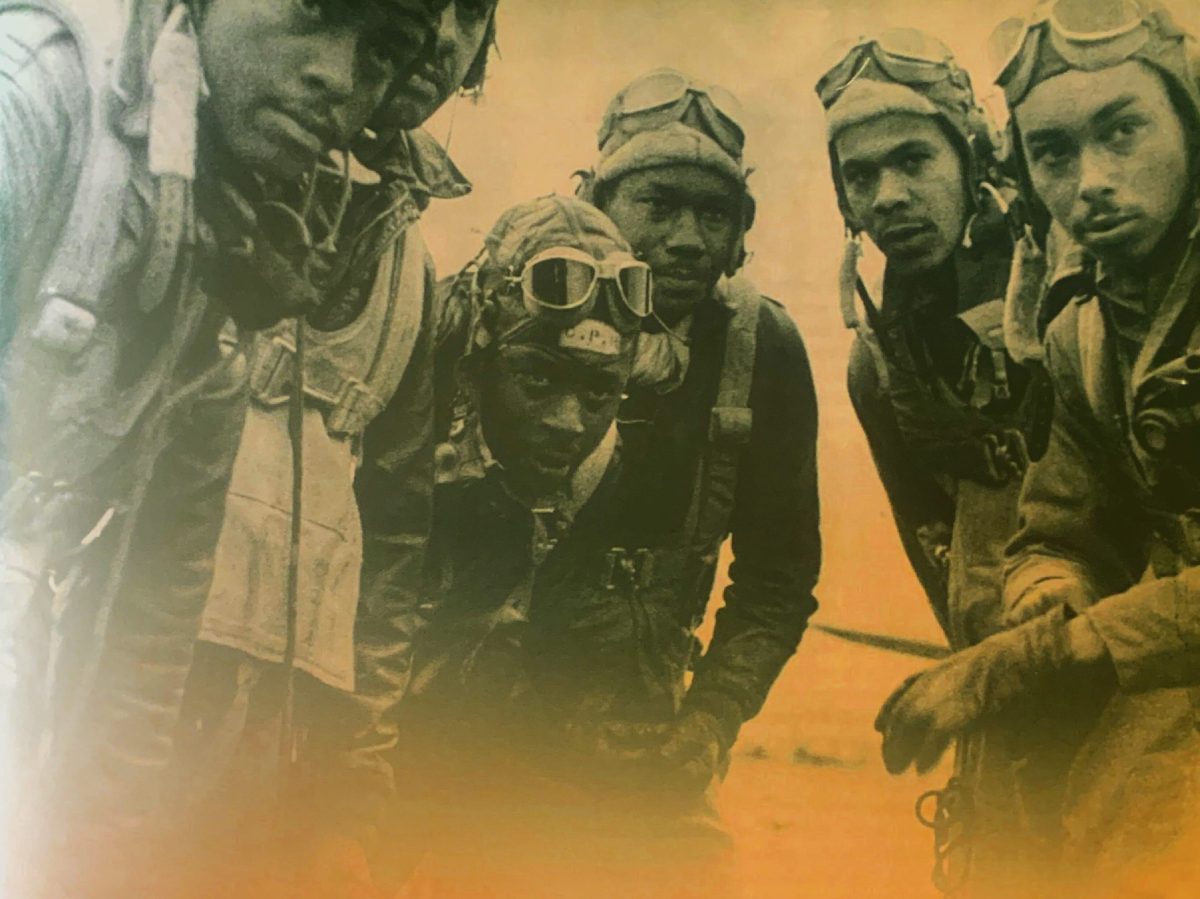
Bombs are dropping
while everyone is watching
Blood is streaming like a waterfall
Cries are reverberating
As if a huge monster is invading
With its scary face and cruel nature
Children cries
fears from the skies
They don’t see no
flies nor butterflies
this time people
comes with lies
Homes are broken
Families are broken
They want to silence us
but we can’t be silent
They want to shatter us
but we can’t be broken
Because it is our land
That was stolen
But it is only words
That are spoken
as if they are golden
WAR Poem: Claw-Footed Tub, by Brendan Robert
The silver trimmed tub which sat on all fours
Patiently waited through both of the wars
It yearned for the day
It could fill and then drain
The dusty old window
And creaky wood floor
Offered solace and kindness
But the tub wanted more
Chips became cracks
And leaks rot its frame
When the owner returned
Things were not quite the same
One chilly fall morning
He stumbled home drunk
He had the intention
Of washing ‘fore bed
Slick floor, drunken stupor,
Slipped, fell, hit his head
The tub’s copper walls
Were stained solid red.
WAR Poem: what my dad once said, by Zac Yonko
He said it once,
standing in the garage,
his hands smeared with grease
from the lawnmower engine
he was coaxing back to life.
“I served because I never want you to.”
The words hung in the air
like the smell of cut grass and gasoline,
both familiar and strange.
I didn’t ask what he meant,
not then,
too young to untangle
the weight of armor and duty
from the man who taught me
how to tie my shoes and check my oil.
Later, I learned about the tanks,
the monstrous steel behemoths
he commanded,
rolling across a landscape
that must have looked more like
a nightmare than a country.
I imagined him there,
a helmet too heavy for his head,
a rifle slung over his shoulder
like an afterthought.
But what I couldn’t picture—
what I still can’t—
is the silence between battles,
the quiet hum of fear
pressing against soldiers’ chest.
The letters home,
each word a cipher,
meant to say everything
and nothing at all from them.
When he said those words to me,
I realize now,
he wasn’t talking about patriotism
or sacrifice,
but the hope that I’d never have to learn
what it feels like
to weigh your life against the life of another.
He didn’t want me to carry
the sound of shells
in my ears forever
or dream in shades of khaki and smoke.
So I listen now,
to the spaces where he doesn’t speak,
to the pause in his stories,
the moments he hands me a wrench
and shows me how to fix something
he hopes I’ll never have to break.
WAR Poem: To Guy a Fight, by Samuel Cronin
When we as the soldiers
Of the Army
Of cold shadows
Present our hearts
To the sun,
Let us do so
With our sabers held high,
With a chunk of flesh
On the tip.
By the courage
Of our souls
We fight as an offering,
Like a gutted stallion,
Our insides given
To the carving party
Of the King.
WAR Poem: WAR & PEACE, by Kimberly Wilder
My earliest memory was encoded as a war zone.
Desperate screams to rescue my father from drowning
while fleeing on foot from our would-be captors.
Forced to urinate on graveyard headstones
before finding safety amongst the towering trees.
Terrified into silence as enemy choppers circled above.
We had just buried my maternal grandfather the day before.
The very next day my mother would be gone for at least 72-hours.
This is where my seven-year-old brain stopped remembering.
We never talked about what happened the day after
our papa died or the fact that almost every woman
in my family had been sexually abused.
So, the war zone of my childhood continued.
My daily alarm clock became my father
verbally abusing my mother.
My adolescence was about helping raise my
sisters’ children, who as young, single mothers
needed our mom, but mom’s depression needed me.
My battle cry became a mission to break the cycle
for myself, for my future family, for others.
I thought I had finally escaped the frontline,
but the enemy eventually found its way
to my perfectly curated front door
and didn’t bother to knock.
They barreled in with explosives
and my world crumbled like papier-mâché
left exposed in the middle of a storm.
Those sisters whose children I helped raise
sided with the enemy and said I should probably
disappear for at least 72-hours like our mother.
The father who verbally abused my mother,
publicly told strangers of my demise
while not even so much as asking if I was ok.
I realized I have been a warrior my entire life
and I am exhausted, no longer willing to sacrifice
my peace for those who would discard me.
The only peace I have ever really known
is that false sense of it offered by religion
with quid pro quo like prerequisites.
I now recognize
war and peace
require different attire.
I hereby relinquish my battle armor for peacetime garments
even if I am resigned to live my remaining years
behind the protective walls of an impenetrable fort.
WAR Poem: boots, by Beck Weiser
i stood in the middle of a war
and held my brothers shoes
they were muddy
they were bloody
but they were his at least
the father passed me by
his hand already on his bible
when i asked him for an answer
he just pointed at my brothers boots
and fell back into the crowd

